
High-Precision Foam Cutting
At Unified Global Packaging Group, our foam packaging solutions are designed to protect what matters most, whether it’s sensitive electronics, industrial equipment, or high-value components, we combine decades of hands-on experience with advanced manufacturing to deliver precision, performance, and partnership.
Whether you’re launching a new product or streamlining an existing program, we collaborate with your team to design, prototype, and deliver the right foam solution, on schedule and without surprises.
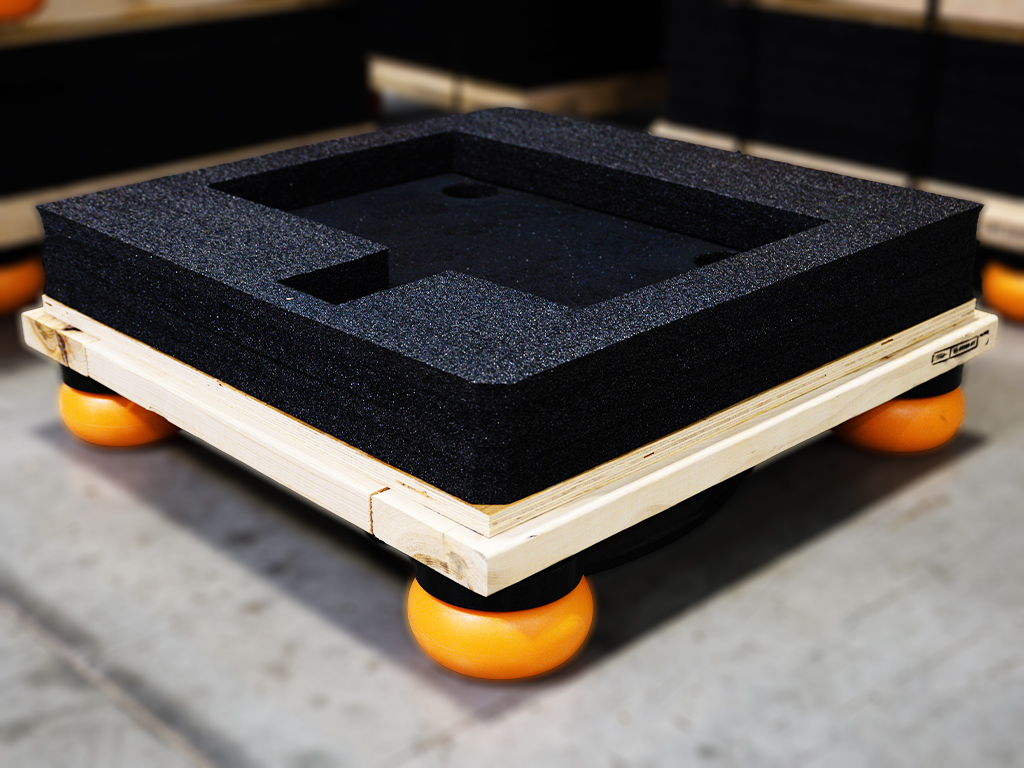
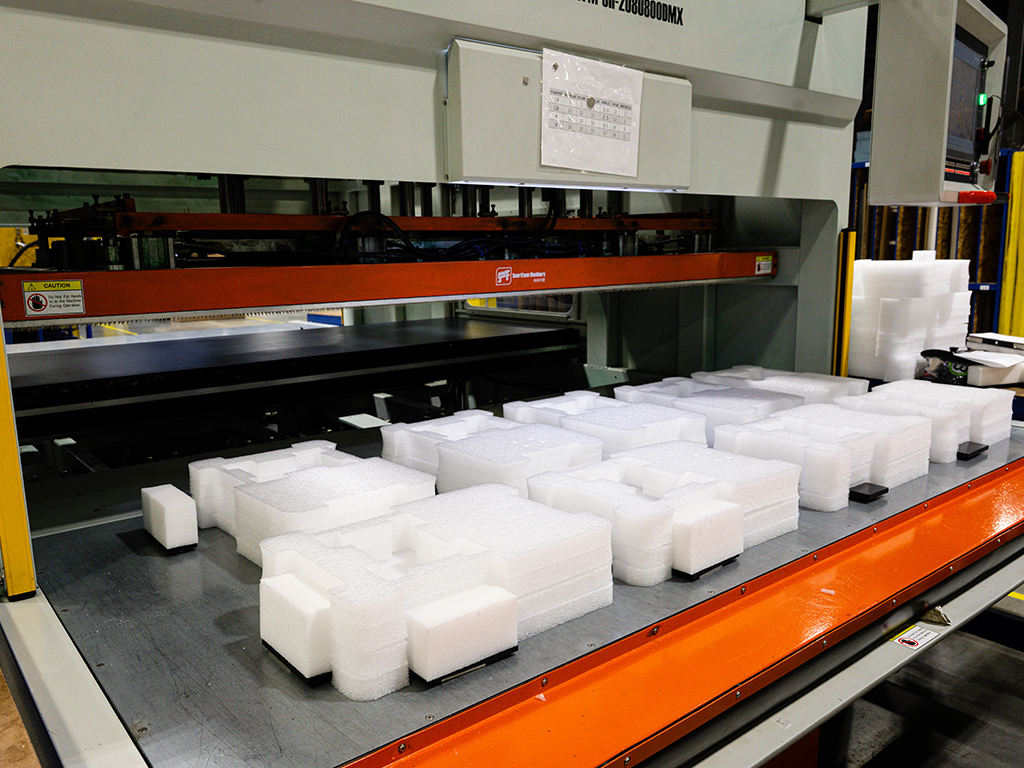
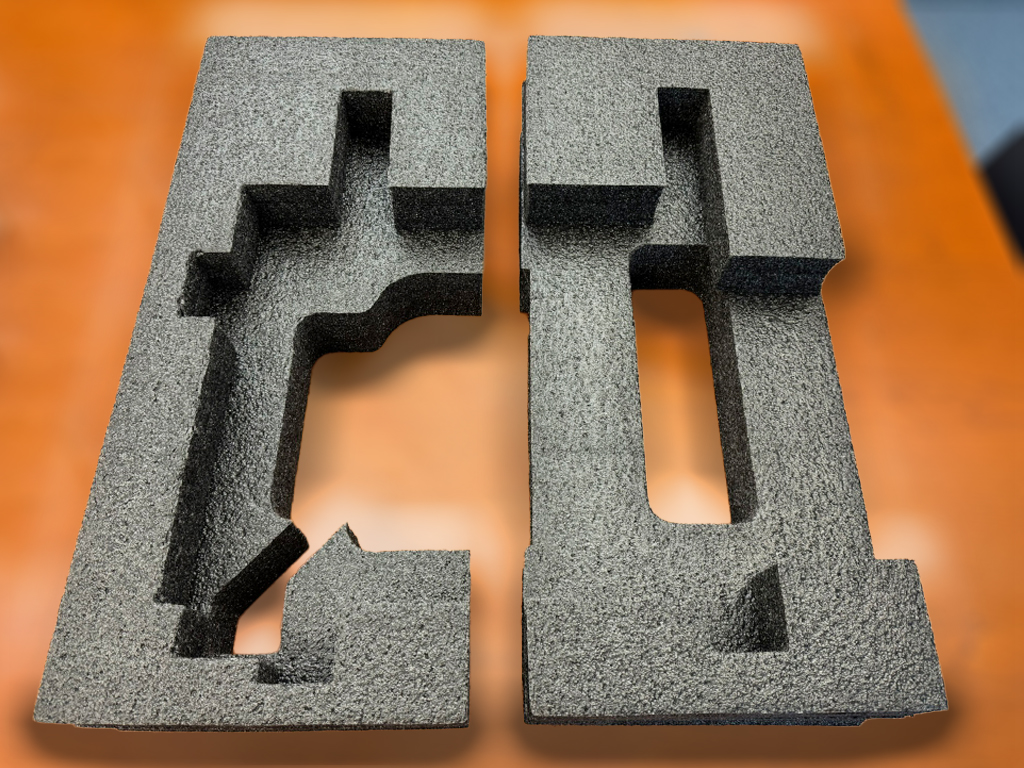
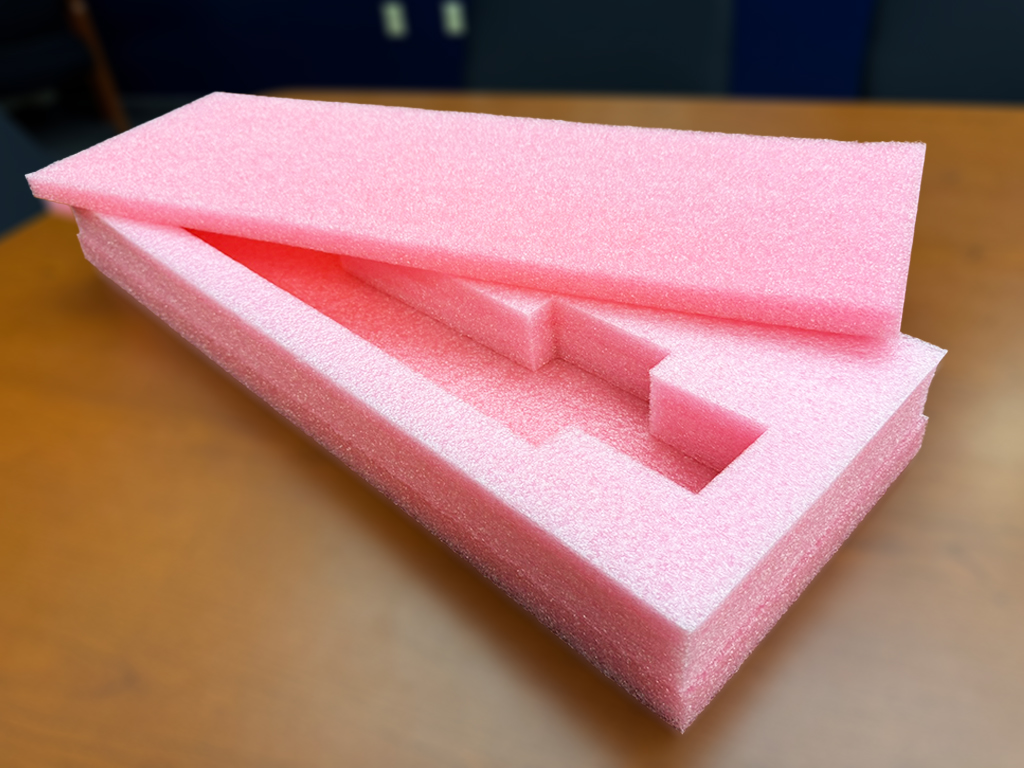
Custom Foam Solutions Include:
- Foam Assemblies & Material Versatility –Engineered multi-material assemblies combine materials such as Polyethylene (PE), Polyurethane (PU), Expanded Polystyrene (EPS), Expanded Polypropylene (EPP), Anti-Static (AS), and cross-linked foams
- Protective Foam Case Inserts – Engineered for a precise fit and lasting durability.
- End Caps & Cushion Pallets – Designed to absorb shock, prevent movement and protect corners and edges from impact damage.
- Precision Skiving– Thinned to 1/32” thickness for precise tolerances and optimal performance.
Circular Innovation
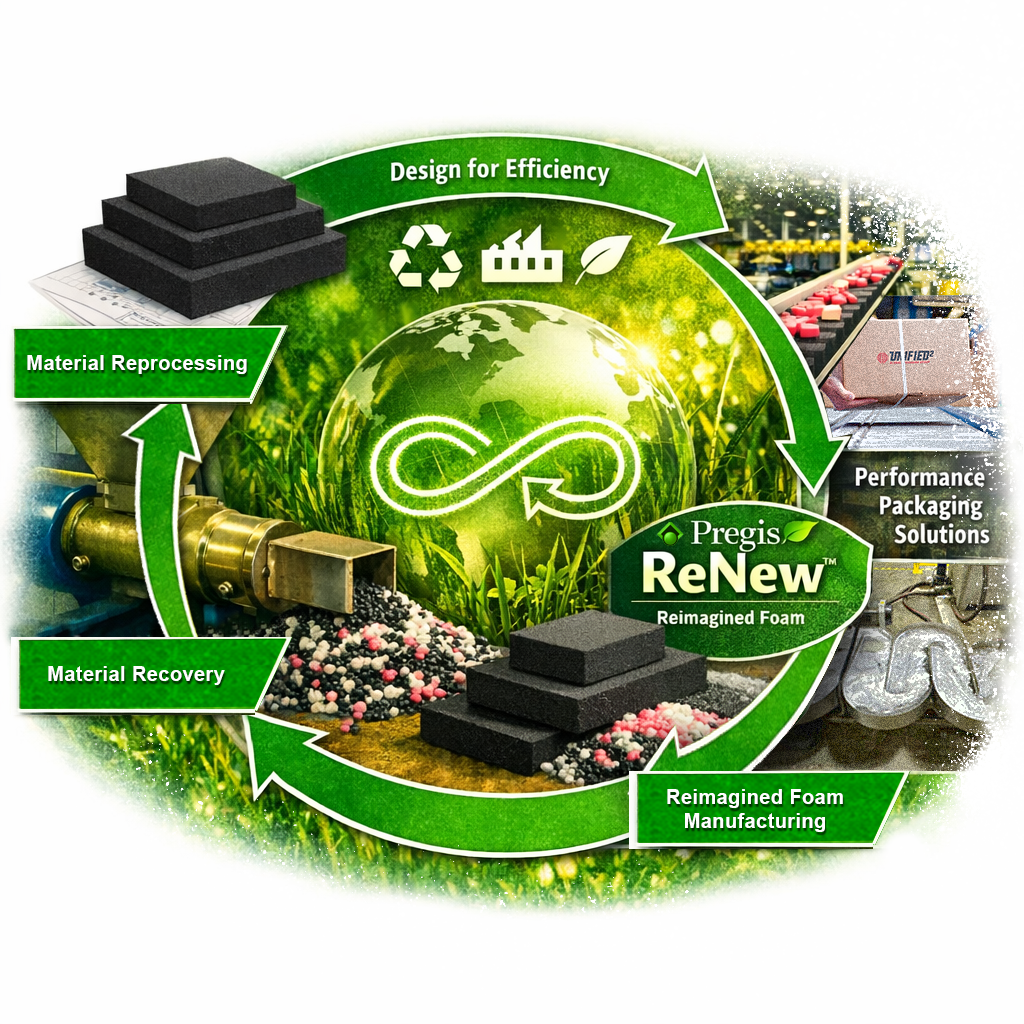
- Built-In Efficiency– Smart design strategies that minimize material use and optimize sheet utilization. We focus on creating fit-for-purpose packaging that cuts costs and reduces waste without sacrificing quality or performance.
- In-house Foam Recycling Capabilities – Our pelletizer and densifier transform foam scrap into bricks and pellets enabling responsible reuse and supporting closed‑loop material streams.
- Circular Alternatives – Recovered foam material is returned to our foam supply partners and reprocessed into Pregis® ReNew™ (Reimagined Foam) products—engineered polyethylene foam solutions manufactured using up to 100% post‑industrial recycled (PIR) content (excluding additives and process aids).
These high‑performance recycled foam materials, including PolyPlank® ReNew™ XL, provide reliable cushioning, dimensional stability, and shock protection while offering a lower‑carbon alternative to virgin foam. Life‑Cycle Assessment (LCA) data is available upon request to support sustainability reporting and decision‑making.